Real Estate Investment in the Dominican Republic: Where to Start
Where to invest on the east coast for your goal, which type of property fits each strategy and what to check before you commit money.
November 2, 2026 · 5 min read

In this article
Investing in property in the Dominican Republic starts with a decision that isn't the price: what you want the property for. Personal use, rental income, retirement or long-term wealth call for different areas, products and checks. This guide puts those decisions in order and points you to the detail on each one.
Can a foreigner invest in real estate in the Dominican Republic?
Yes. Under current rules, Law 16-95 on Foreign Investment generally gives foreign investors the same rights as Dominican nationals, including the right to buy property. You don't need to be a resident: a passport is usually enough. Confirm it with your lawyer for your own case.
The full process, from reservation to registered title, is in buying property in Cap Cana as a foreigner. This guide stays one step earlier: what to buy and where.
It also helps to know what is different from the United States. Escrow and title insurance are not an automatic part of a Dominican purchase; the protection comes mostly from the title review your lawyer does before you sign.
Start with the goal
The same property can be a good buy for one goal and a poor one for another. Before looking at projects, be clear about yours:
- Personal use or a second home. Location, services, security and community matter most. Return comes second.
- Short-term rentals. Tourist demand in the area, what the condominium rules allow and who will operate the property matter most.
- Mid- and long-term rentals. Proximity to jobs, schools and services matters most: the tenant lives there, they aren't on holiday.
- Retirement. Nearby healthcare, connectivity and the cost of keeping the property for years matter most. We cover it in planning retirement through real estate.
- Long-term wealth. Asset quality, legal certainty and resale liquidity matter more than income in the first years.
Where to invest: the east coast by strategy
Most international real estate investment in the country is concentrated on the east coast, around Punta Cana airport. It isn't one area but several, and each one serves a strategy.
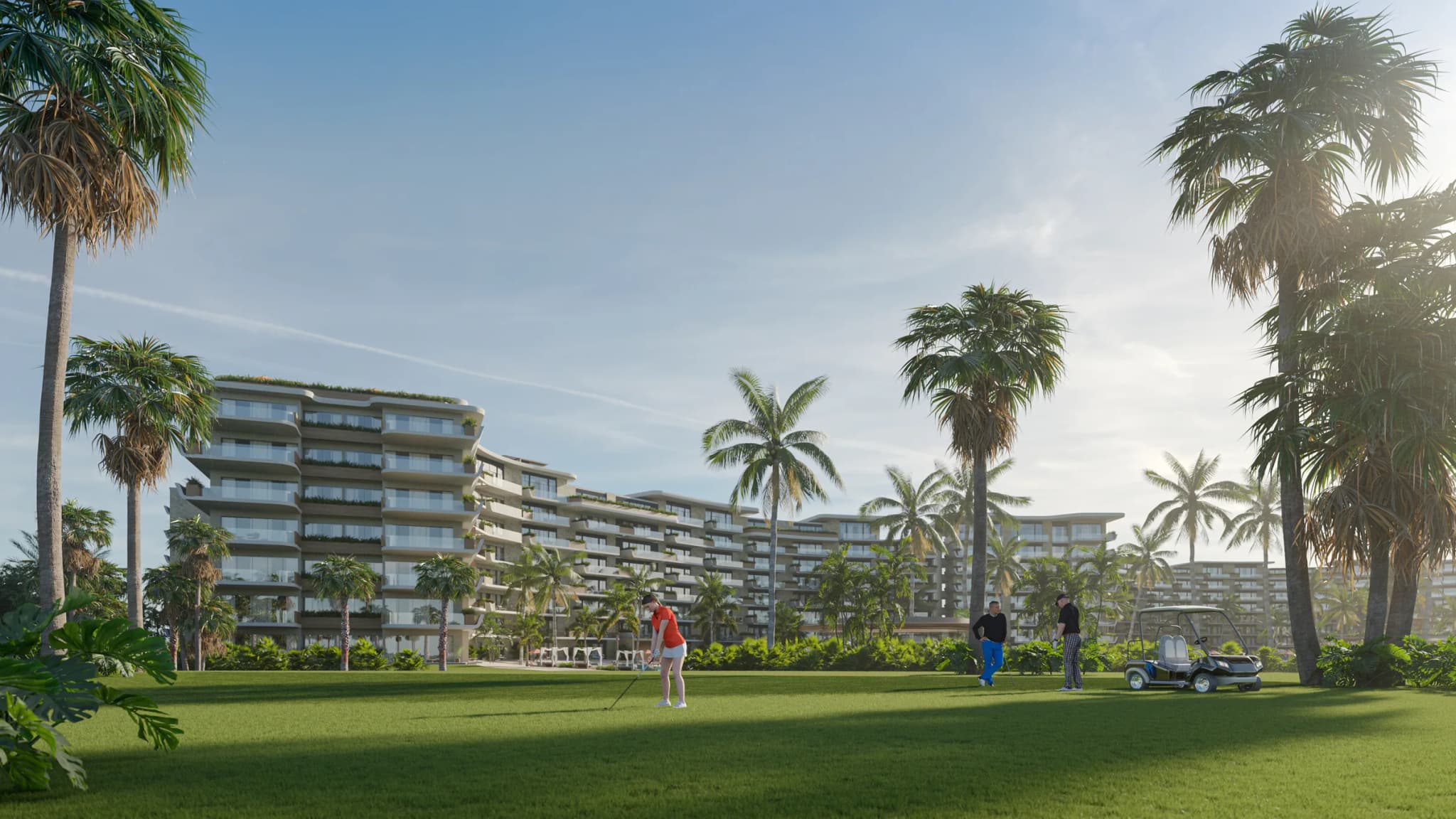
- Cap Cana. Premium and branded: marina, golf and a gated community with its own management. Fits second homes, high-net-worth buyers and top-tier vacation rentals, if the rules allow it.
- Bávaro. Walkable, with beach. Fits short-term rentals by volume and buyers who value resale liquidity.
- Downtown Punta Cana. Urban expansion. Fits rentals to residents —hotel staff, executives, families— and buyers betting on the area's commercial growth.
- Punta Cana Village. Next to the airport, with schools, services and planned communities. Fits mid- and long-term rentals to families and executives.
- Macao and Uvero Alto. New hotel expansion. Fits a mid-term bet, on land or early-stage projects.
- Miches. An emerging destination. Fits buyers who want to enter before it matures and can wait. We compare it with Cap Cana in a mature market versus an emerging one.
We don't publish returns, occupancy or appreciation by area. Nobody can stand behind those figures in writing, and anyone who shows them to you is estimating. What can be verified —closed comparable sales, rules, fees, permits— is checked project by project.
What type of property
Pre-construction or completed
In pre-construction you buy off-plan or during construction, directly from the developer, and pay in stages as the building goes up. You get in earlier and spread the payments, but what you are buying is a promise: that the developer will deliver what was agreed. So the review focuses on the developer, the permits, the land and the contract.
A completed property can be seen before you buy and usually already has its own title. The review shifts to who is selling, what liens the property carries and what condition it is in.
Condo, villa or land
A condo has shared fees and building rules that govern what you can do, including renting. A villa gives you more control and more maintenance responsibility. Land is the longest bet: it produces nothing until it is built on or sold.
You can compare models, floor plans and prices for the projects we work with in our portfolio.
What to check before you commit money
Due diligence protects the investment more than anything else, and in the Dominican Republic it comes down to a few questions:
- Who owns it? The certificate of title, issued by the Title Registry under Law 108-05, must be in the name of the seller or the developer.
- What is registered against it? The certificate of legal status shows mortgages, liens and other registered encumbrances.
- Are the boundaries approved? An approved survey (deslinde) identifies the parcel; without it, selling or financing later can get complicated.
- What do the rules allow? Some condominiums restrict or ban short-term rentals. If you plan to rent, read them before you reserve.
- Does it have tax incentives? The CONFOTUR regime (Law 158-01) is granted project by project, not by area. If it is offered as a benefit, ask for the resolution.
- Which account do you pay into? Always the one in the contract, never a personal account or one sent to you some other way.
What it costs to hold
The purchase price isn't the cost of the investment. Add closing costs —property transfer tax, legal and notary fees, registry fees— and then the yearly cost of holding it: condominium fees, maintenance, insurance, management if you rent it out, and the annual real estate tax where it applies.
We don't give rates or amounts here: they depend on the rules in force, the property's value and whether the project has incentives. Ask your lawyer to calculate them with the real figures before you sign.
How Mercanus supports you
Mercanus Finance is a financial structuring and real estate investment firm. Through our real estate investment practice we support the whole transaction:
- Before you choose: which area and product fit your goal.
- During the review: due diligence coordinated with our external legal partner.
- At closing: reservation, promise of sale, payments and registration, coordinated with the developer.
- Afterwards: property management, if you plan to rent it out.
Nothing in this guide is legal or tax advice, and Mercanus does not provide it: we recommend an independent lawyer in the Dominican Republic and a tax adviser who knows the rules in your country of residence. If you are considering an investment, write to us and we'll start with your goal.
Frequently asked questions
Can a foreigner buy property in the Dominican Republic?
Yes. Law 16-95 generally gives foreigners the same rights as nationals to buy property, and you don't need to be a resident: a passport is usually enough. Confirm it with your lawyer for your own case.
What is the best area to invest in the Dominican Republic?
It depends on the goal. Cap Cana fits second homes and high-net-worth buyers; Bávaro, short-term rentals; Downtown Punta Cana and Punta Cana Village, rentals to residents; Macao, Uvero Alto and Miches, mid- and long-term bets.
Is it better to buy pre-construction or a completed property?
Pre-construction lets you enter earlier and pay in stages, but you are buying the developer's promise, so the review focuses on the developer, the permits and the contract. A completed property can be seen first; the review focuses on title, liens and condition.
Are there escrow and title insurance in the Dominican Republic?
Not automatically, as there are in the United States. Protection comes mainly from the title review your lawyer does before you sign: certificate of title, certificate of legal status and approved survey.
Next step
What this article covers, applied to your own investment.
Keep reading

Want to talk about how this applies to you?
Tell us what you are looking for and we will reply within one business day. This is not a mailing list: someone on the team answers.
- 01Someone on the team reads it, not an automated system.
- 02We reply within one business day.
- 03If there is a fit, we set up a conversation with no obligation.
Not sure where to start? Tell us what you need →